
Insights · Teamwork
Teamwork under pressure: how do you keep understanding each other?
Time is running out, an agreement has been understood differently and everyone is trying to fix things. How do you keep listening to each other? Teamwork under pressure means paying attention to what you see, what you need and what you agree together.
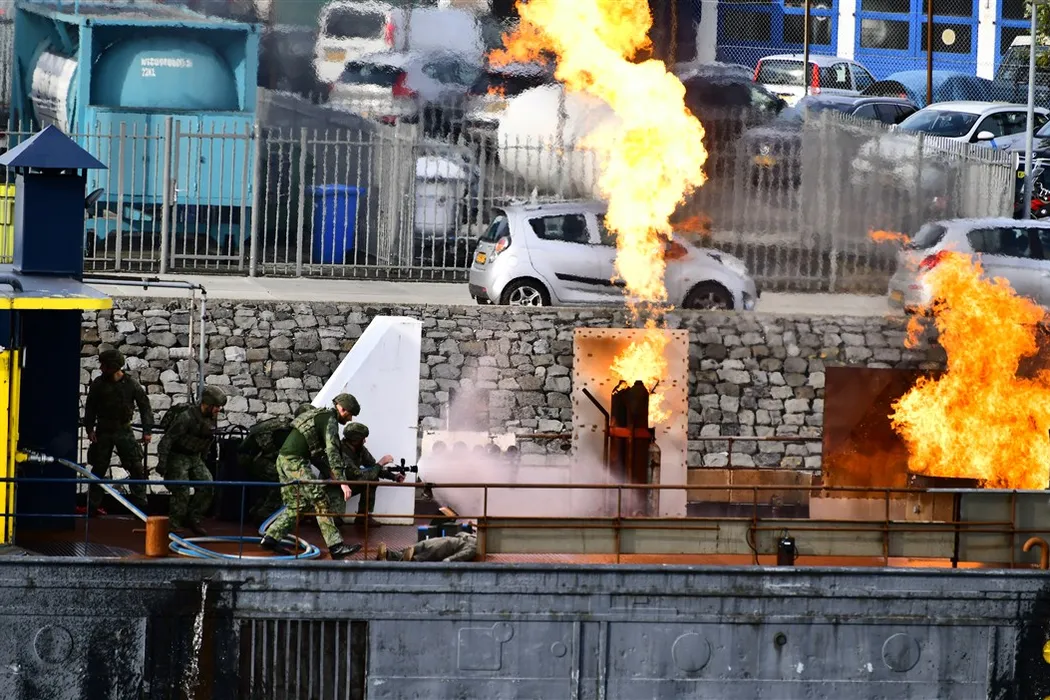
Imagine this: you are preparing a meal for a group with a few other people. Everyone is due to sit down in half an hour. The ingredients are ready, but two people each thought the other had already started. Someone takes over a task without saying so. Everyone is busy, yet it is unclear what still needs doing.
You may recognise moments like this at work, in a club or on a shared trip. You need each other, but cannot automatically see what someone else knows or expects. A few specific questions and agreements can help you explore how to move forward together. You do not need to be a manager to do this.
Be clear about what is needed now
In the meal example, one person wants to finish on time while another is focused on the original menu. If you do not know this about each other, you can end up working at cross purposes. Start with a short shared question: what are we trying to achieve right now?
Say what has changed and which agreement still seems realistic. Perhaps you decide to simplify the menu and ask someone to explain that the meal will be a little later. Make that decision clear together before everyone gets back to work.
- What is our most important shared task right now?
- What do we already know, and what information is still missing?
- Which agreement needs to change, and who needs to know?
Anyone can ask these questions. Your contribution might be to briefly summarise what you hear others saying and check that you have understood correctly.
Check that you understand each other
“Can you sort that out?” leaves a lot open. What exactly is the task, when does it need to be done and what should you do if something goes wrong? Make your request specific enough for the other person to respond.
If you receive a request, briefly explain what you are going to do. This shows how you have understood the agreement. The person asking may then notice that something is still missing.
“I’ll chop the vegetables and leave them here. You make the sauce. In ten minutes, we’ll check together what still needs doing. Does that fit your plan?”
One possible way to phrase the agreement in the imagined meal scenario.
If your plan changes along the way, tell the people who depend on it. Do not wait for them to discover that you have started doing something else. Clear communication under pressure also means bringing new information back to the group.
Agree who will do what
You might take over a task to be helpful while someone else is still working on it. Or you might wait because you assume another person is handling it. Say which task you are taking on and ask who is doing the other part.
Discuss what you need for the task too. Do you have the equipment, information and time? Make handovers clear: what has been done, what remains and who is taking over? This gives the other person a chance to respond before you assume the task is covered.
Sometimes one person has the clearest overview at that moment. Agree who will coordinate and when you will check in again. Make room for the person with more knowledge of a particular task. Taking initiative and following others can alternate within the same collaboration.
Make room for doubt and differences
You notice an agreement is not working, but everyone else seems ready to move on. What do you say? Start with what you see and ask a specific question. For example: “We’re both using the same workspace. Can we agree who goes first?”
Speak about your doubts even if you do not yet have a solution. You can explain which part you do not understand or what information you are missing. Ask someone who has said little what they notice, without assuming why they have been quiet.
If you disagree, first try to understand what matters to the other person. Is it time, the division of work or an agreement that was understood differently? Then state the decision you are making. If something remains unresolved, agree when you will return to it.
Say when you need help or rest
Others cannot always see how much you are trying to do at once. Be specific about what you need: “I can finish this, but I need someone to take over the next part.” Or: “I’m losing track. Can we go through the tasks for a moment?”
Ask the other person whether the agreement is still manageable too. Listen to the answer before adding another task. If someone needs rest or an explanation, discuss how to redistribute the work. An earlier division of tasks does not have to remain unchanged throughout.
Sharing responsibility also means saying where your limits are and taking what others tell you seriously. Both of you can contribute to an agreement that works.
Look back at one moment together
Afterwards, choose one specific moment that showed how you worked together. For example, the moment someone took over a task. Let those involved explain what they did, what they thought had been agreed and what they needed from each other.
- Which agreement helped us move forward together?
- Where did we understand each other differently from what we thought?
- When did someone ask for help, and how did we respond?
- What shall we agree to try next time?
Make that final agreement small and recognisable. For example: “When I take over a task, I’ll explain what I’m going to do and ask what remains.” After another shared task, look back at whether this happened and what the other person noticed.
This gives experiencing, reflecting and applying what you learn a practical place. What you learn and take away will differ from person to person and group to group.